The Importance of Sizing in Wooden Cutout Projects

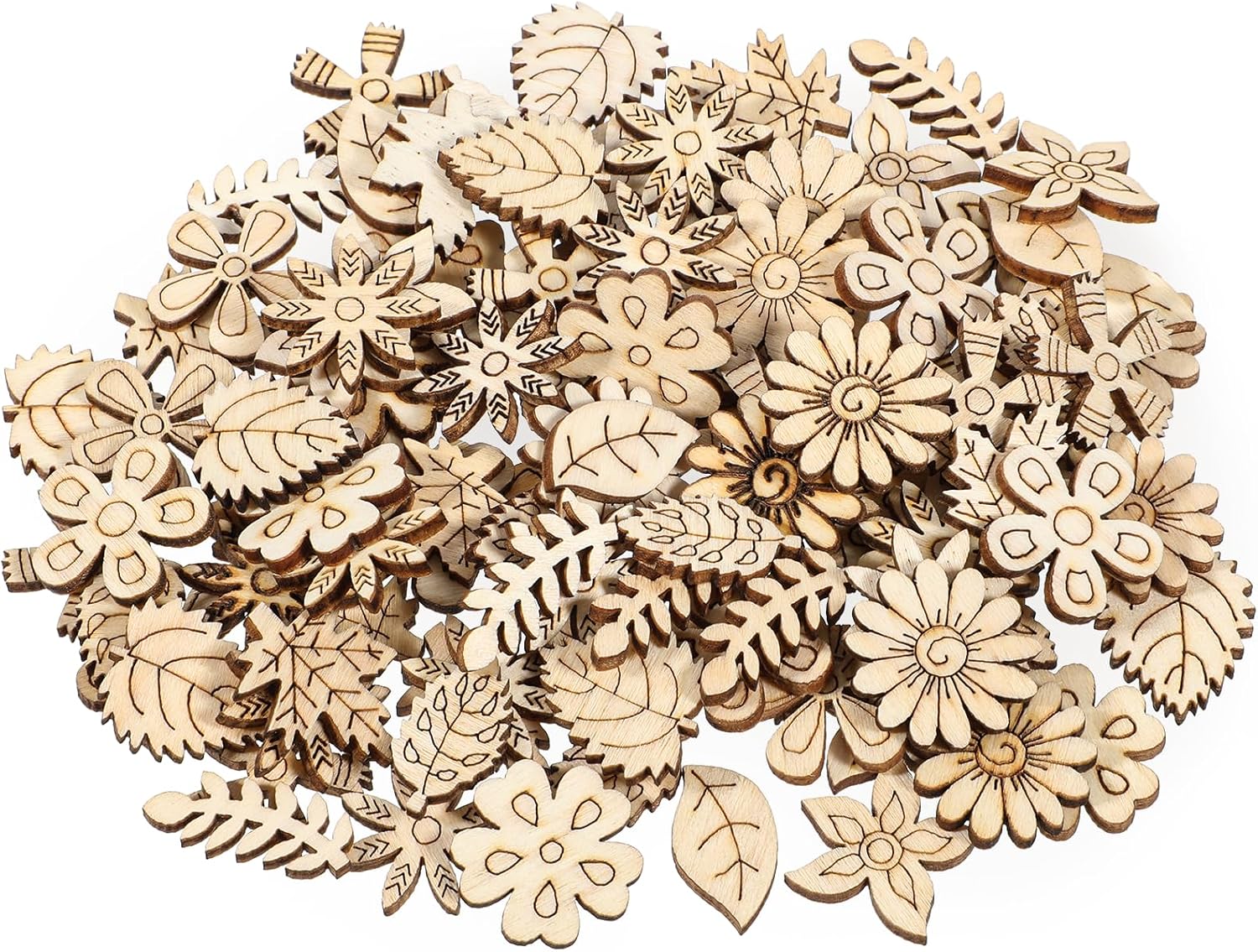
When embarking on a wooden cutout project, selecting the right sizes for your craft blanks can make all the difference in achieving a polished and professional look. At Loop of the Loom, we offer a diverse range of unfinished wood craft blanks that cater to various design needs. Understanding sizing helps you create projects that not only fit your vision but also balance aesthetics and functionality.
Understanding Dimensions
Before diving into your project, it’s essential to grasp the dimensions of the wooden cutouts you plan to use. Each project has unique requirements that depend heavily on the space available and the overall design intent. Whether you’re crafting a decorative piece or functional item, assessing the size will guide you in selecting the right blank.
Start by considering where the finished product will reside. Measure the area where you intend to place your cutout to ensure it complements the surroundings. A well-proportioned piece can enhance the decor, while a size that feels off can disrupt the visual flow.
Purpose of the Project
The purpose of your project greatly influences the size of the cutouts you choose. Are you creating a centerpiece for an event, or are the cutouts intended for everyday use? This distinction will help you determine the scale of your craft blanks. For instance, larger cutouts can serve as stunning focal points, while smaller pieces might work better for details.
Understanding the purpose also includes considering the level of detail you want to incorporate. If you’re aiming for intricate designs, smaller pieces may require more precision, while larger cutouts can accommodate bolder, simpler designs that make a statement.
Scale and Proportion
Maintaining a sense of scale and proportion is crucial in any design. A well-proportioned cutout will appear harmonious and intentional, while poorly sized elements can lead to visual imbalance. When working with multiple pieces, consider how their sizes interact with each other to create a cohesive look.
For instance, when using smaller cutouts like the Grevosea 100 Pcs Unfinished Wooden Flowers, pairing them with larger shapes can help to create depth and interest. Experimenting with various sizes can lead to unexpected but delightful compositions.
Choosing the Right Thickness
In addition to height and width, the thickness of your wooden cutouts plays a vital role in the overall aesthetic and functionality. Thicker pieces often lend themselves to durability and sturdiness, making them ideal for items that will be handled frequently. In contrast, thinner cutouts can provide a delicate and intricate look suited for decorative purposes.
Consider how the thickness will affect your project’s end use. For instance, if you’re crafting wall art, a medium thickness might provide the right balance between sturdiness and visual appeal. On the other hand, if you’re making ornaments, lighter cutouts can reduce the chances of damaging the hanging material.
Designing with Space in Mind
Space is another essential factor when selecting sizes for your wooden cutouts. Think about the negative space surrounding your design. Adequate spacing between cutouts can enhance the overall appearance and make each piece stand out. Too close together, and you risk overwhelming the viewer’s eye; too far apart may lead to a disjointed look.
When planning your layout, sketching your design on paper can help visualize how sizes work together within the available space. This approach allows you to make adjustments before committing to any cuts, saving you time and materials down the line.
Using Templates for Accuracy
Using templates can significantly aid in achieving accurate sizes for your cutouts. You can create your own templates or find pre-made ones tailored to popular designs. Templates serve as a guide during the cutting process, ensuring precise dimensions and reducing the likelihood of mistakes.
When using templates, consider making multiple sizes for each design element, as this allows you to experiment with different sizes before selecting the final version. This flexibility can lead to surprising and delightful results that may not have been initially apparent.
Tips for Effective Sizing
- Measure twice, cut once: Always double-check your dimensions before making cuts.
- Experiment with proportions: Play around with various sizes to find the best fit for your design.
- Consider the weight: Heavier pieces should be appropriately sized for stability.
Finding Balance Between Function and Form
When selecting sizes for your wooden cutouts, it’s important to strike a balance between functionality and aesthetics. While you want your design to look good, it should also serve its intended purpose effectively. For example, a cutout used as a sign should be large enough to be readable from a distance.
Additionally, consider how the cutout will be used in its environment. If it’s a frequently handled piece, ensure its size and thickness provide durability. The key is to create a piece that not only fits your design vision but also performs well in its intended context.
Where to Start
To begin your wooden cutout project, visit Loop of the Loom to explore our variety of unfinished wood craft blanks. Start with a clear idea of your design and the space it will occupy. Measure carefully and consider the purpose and aesthetics of your project as you select sizes.
Once you have your materials, sketch your design and use templates to guide your cutting process. Always remember that thoughtful sizing can enhance your project’s success, leading to stunning results that reflect your creative vision.
From our shelves
- Mandala Crafts Unfinished 25mm Wooden Macrame Rings Supplies, 100 PCs
- Grevosea 100 Pcs Unfinished Wooden Flowers, Blank Wood Crafts Flower Leaf Pattern Wood Pieces Cutouts
- AUEAR, 300 Pack Mixed Wooden Flower Leaf Pattern Handmade Wodden Crafts Home Wedding School DIY Craft
Browse the Cutouts and Shapes range, or see everything in stock. Questions about what suits your setup? Talk to us or read the FAQ.