Choosing the Right Dowel Thickness for Your Crafts

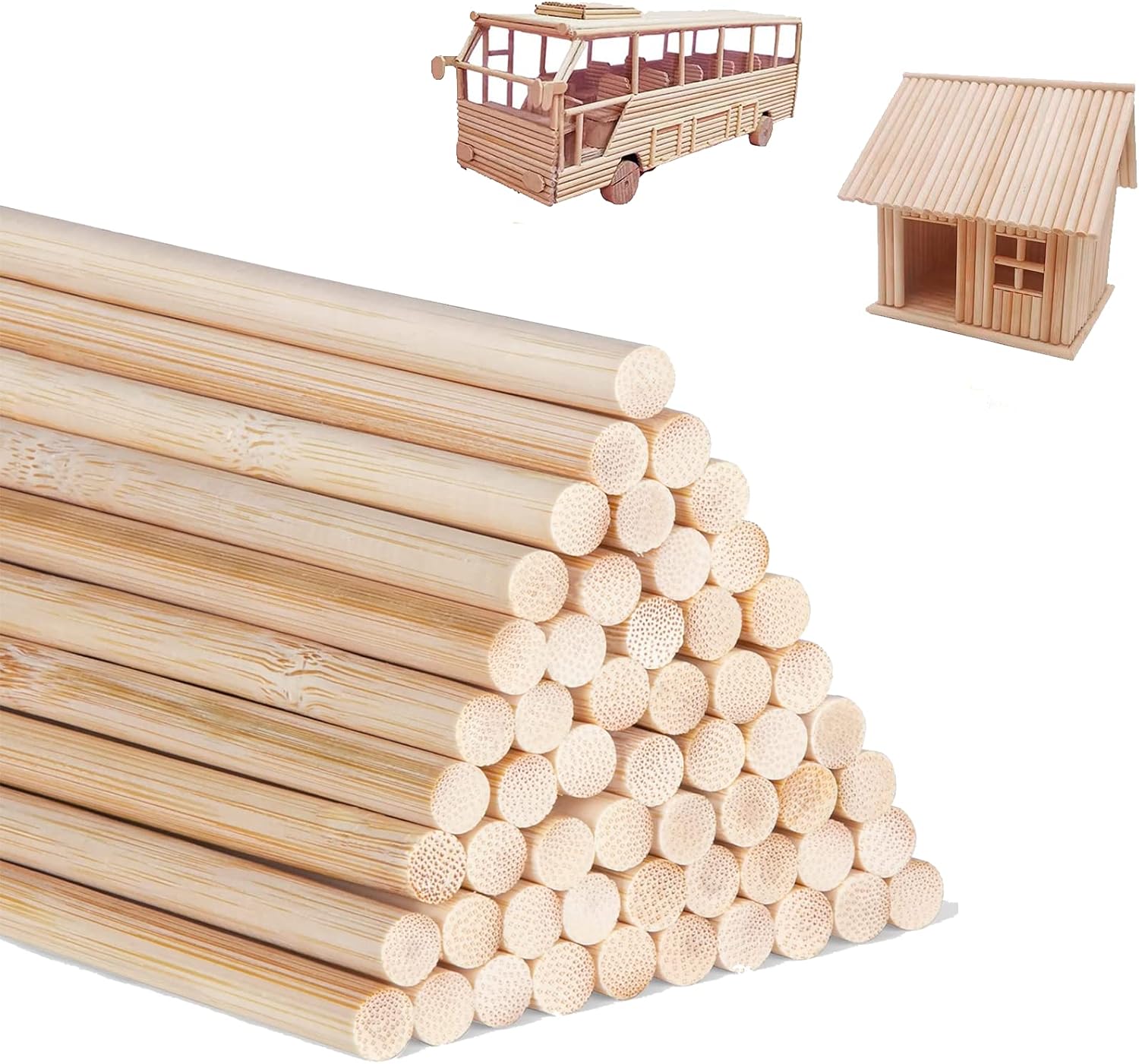
When embarking on a new craft project, one of the crucial decisions you’ll face is selecting the right dowel thickness. The dowel you choose can significantly impact the structural integrity and overall aesthetic of your creation. Understanding the different factors that influence dowel thickness will help you make informed choices and achieve impressive results.
Understanding Dowel Thickness
Dowel thickness refers to the diameter of the wooden rod, and it plays a pivotal role in how your project turns out. A thicker dowel provides more strength and stability, making it ideal for larger projects like furniture or structural components. Conversely, thinner dowels are better suited for intricate designs or lightweight crafts where flexibility and ease of manipulation are essential.
When selecting dowel thickness, consider the type of project you are working on. For example, if you’re creating a simple picture frame, a thinner dowel may suffice. However, if you’re constructing a shelving unit, a thicker dowel will ensure that the structure can bear weight without sagging or collapsing.
Project Type Considerations
The type of project you’re undertaking should heavily influence your choice of dowel thickness. For crafting items such as decorative wood banners or lightweight hangers, thinner dowels are usually more than adequate. They allow for ease of handling and often result in a more delicate appearance.
On the other hand, robust projects such as dollhouses, coat racks, or other functional items require a sturdier dowel. Opting for a thicker dowel will provide the necessary support and durability, ensuring your creation stands the test of time while serving its intended purpose.
Common Dowel Sizes
While dowels come in a variety of sizes, some common thicknesses include 1/8 inch, 1/4 inch, and 1/2 inch. Each size has its own specific applications; for example, 1/4 inch dowels are excellent for most small craft projects, while 1/2 inch dowels are more appropriate for heavier items like furniture components.
Understanding common dowel sizes will help you visualize the scale of your project. Whether you’re picking up DaTpuik 1/4 x 12 Inch Dowel Rods or larger options, knowing what each thickness can handle will streamline your crafting process and ensure successful outcomes.
Weight Loads and Stability
When choosing dowel thickness, consider the weight loads your project will be subjected to. Thicker dowels can support higher weights without bending or breaking, making them ideal for anything that will bear weight. For example, if you’re creating shelves that will hold books or heavy decorative items, choose a thicker dowel to ensure stability.
In addition, remember that the length of the dowel plays a role in its strength. A longer dowel may need to be thicker to support the same weight as a shorter dowel. Balancing both thickness and length will dramatically affect the durability and longevity of your project.
Aesthetic Considerations
Besides functionality, dowel thickness can also impact the visual appeal of your craft. Thicker dowels convey a sense of sturdiness and strength, which may suit rustic or industrial-themed projects nicely. Conversely, thinner dowels contribute a light and airy feel, perfect for delicate decor items.
Think about how the thickness will complement the other elements of your design. For example, if you’re using natural wood logs in your craft kit, pairing them with a similarly thick dowel can create a cohesive look. The right thickness can enhance the overall aesthetic and make your project visually appealing.
Tips for Choosing the Right Thickness
Here are some helpful tips to consider when selecting dowel thickness:
- Assess the weight your project needs to support.
- Match the dowel thickness to the overall scale of your design.
- Consider the type of materials you are combining with the dowel.
- Experiment with different thicknesses in your design mock-ups.
- Consult project-specific guidelines or tutorials for advice.
These tips will guide you in making wise decisions about dowel thickness. Failing to choose the right thickness could result in frustratingly weak structures or overwhelming bulkiness in your designs.
Testing and Prototyping
Before committing to a specific dowel thickness for your final project, it’s wise to test different thicknesses through prototyping. Create a small version of your project using various dowel sizes to evaluate their performance and aesthetics. This hands-on approach can highlight the advantages and disadvantages of each option.
Prototyping not only helps you choose the right thickness but also allows you to become familiar with the materials you’ll be working with. By experimenting with dowels from our Dowels, Sticks and Strips category, you’ll gain insights that can elevate the quality of your final piece.
Where to Start
Choosing the right dowel thickness can make all the difference in your crafting experience. Start by defining the scope of your project and determining the weight it will need to support. From there, browse our selection of dowels, sticks, and strips at Loop of the Loom to find the perfect fit for your needs.
Whether you’re creating intricate craft items or building functional furniture, having the right dowel thickness is essential. Visit us today to explore our range of unfinished wood craft blanks and supplies, ensuring you have everything needed for a successful project!
From our shelves
- DaTpuik 1/4 x 12 Inch 25PCS Dowel Rods Wood Sticks Wooden Dowel Rods – Unfinished Bamboo Sticks – for Crafts
- 300 Pcs Natural Wooden Popsicle Sticks – Yedoler Ice Cream Sticks for DIY Crafts
- BYHER 4" Craft Sticks, 45Pcs Wooden Sticks for Crafts, Natural Wood Log Twigs for DIY Photo Props
Browse the Dowels, Sticks and Strips range, or see everything in stock. Questions about what suits your setup? Talk to us or read the FAQ.